Why I Understand Anxiety
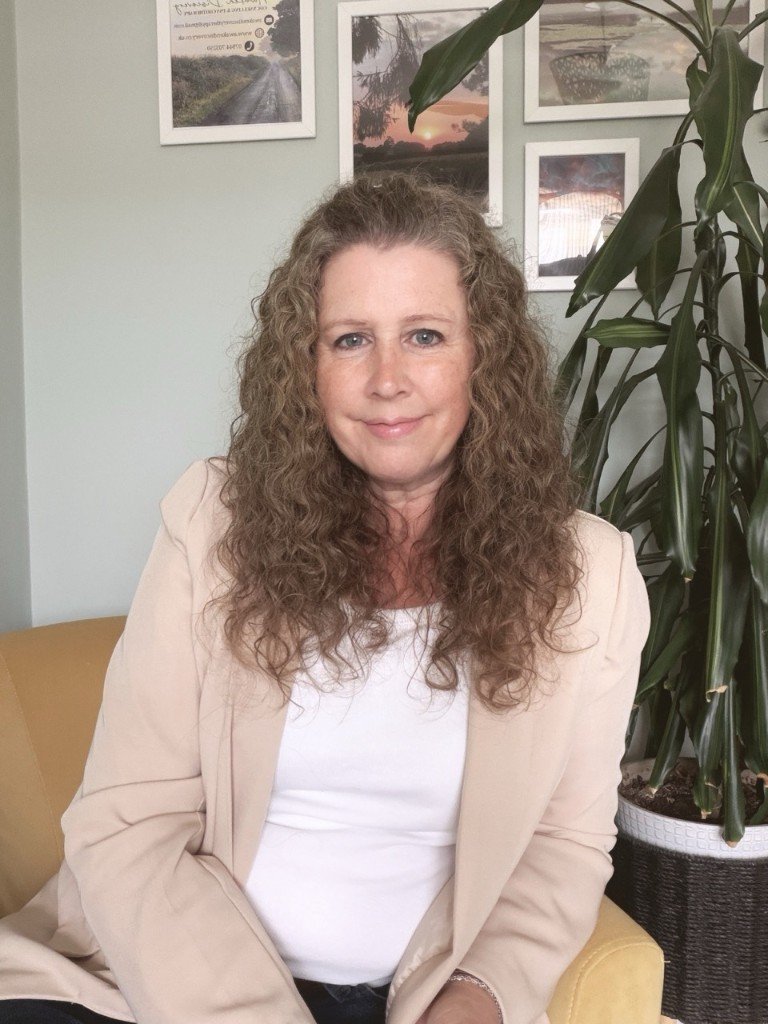
Anxiety is something I understand not only through professional training and years of supporting others, but also through personal experience.
Before becoming a counsellor and psychotherapist, I spent twenty-five years working as a teacher within education, supporting young people, families, and colleagues through the emotional pressures, responsibilities, and challenges that life can bring. During those years, I witnessed how anxiety, stress, overwhelm, and burnout can quietly affect every area of a person's life, often hidden behind a brave face and a determination to keep going.
Alongside my professional experience, there was also a period in my own life when anxiety and overwhelm became significant. Like many people, I became very good at coping, carrying responsibility, and putting one foot in front of the other. From the outside, everything may have appeared manageable. Inside, however, the experience was very different.
That chapter of my life deepened my understanding of how exhausting it can be when your mind rarely rests, when your body feels constantly alert, and when you begin to lose connection with yourself beneath the weight of everything you are carrying.
It also taught me something important: anxiety is rarely just about worry.
Often, anxiety is connected to pressure, responsibility, expectations, life experiences, relationships, loss, self-doubt, perfectionism, or simply carrying too much for too long without enough space to pause, process, and breathe.
This understanding continues to shape the way I work today.
I believe anxiety deserves compassion rather than criticism. Curiosity rather than judgement. Understanding rather than simply being told to "cope better" or "think differently."
My approach combines professional training, therapeutic experience, and a deep appreciation for the connection between the mind, emotions, body, and nervous system. Together, we can begin exploring not only how anxiety shows up in your life, but what it may be trying to communicate beneath the surface.
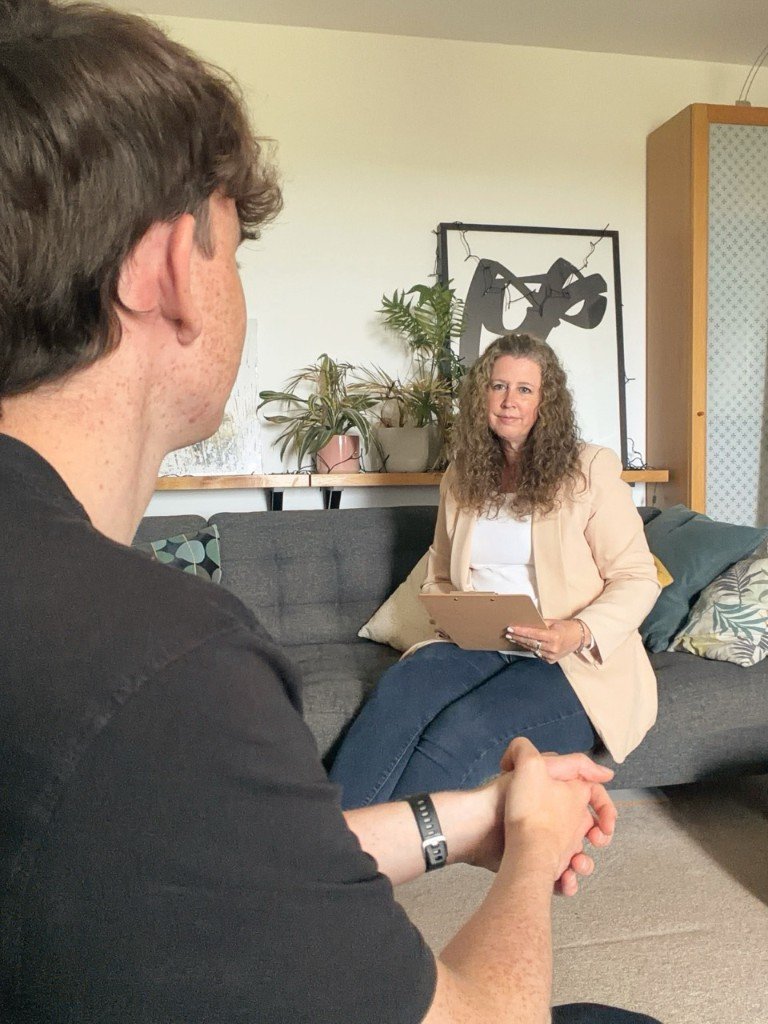
For many people, therapy becomes the first place where they no longer have to hold everything together, explain everything away, or face it all alone.
Instead, it becomes a space to slow down, feel heard, reconnect with yourself, and begin moving forward with greater understanding, self-compassion, and hope.